Gastric Acid Production and Chloride Intake: A Comprehensive Analysis
Gastric Acid Production and Chloride Intake: A Comprehensive Analysis
The production of hydrochloric acid (HCl) in the stomach is a crucial physiological process that aids in digestion and nutrient absorption. This article examines the biochemical mechanisms of HCl production, daily gastric acid output, and the dietary intake of chloride necessary for this process.
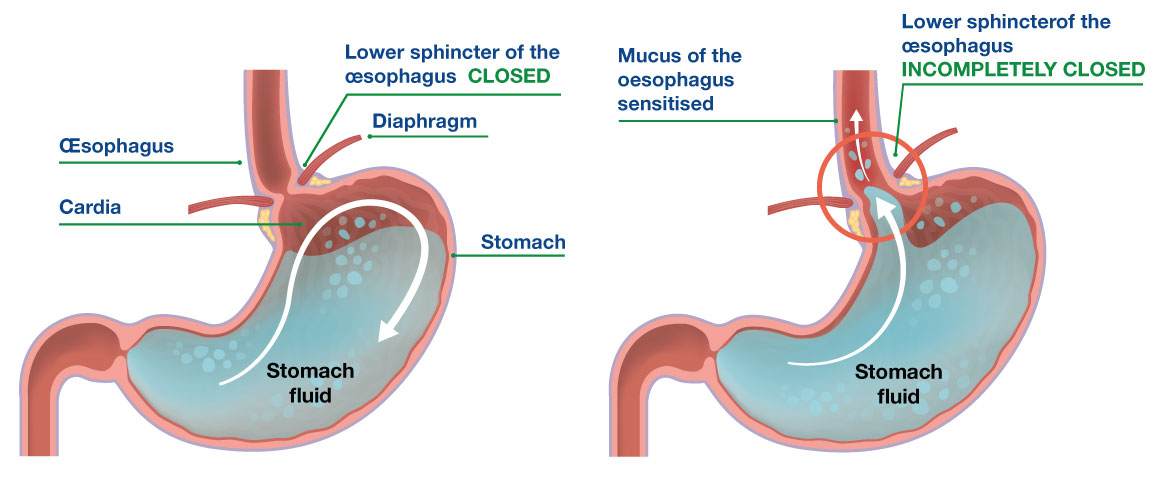

## HCl Production in the Stomach
The parietal cells of the stomach are responsible for producing HCl through a complex series of steps[3]:
1. CO₂ + H₂O → H₂CO₃ (catalyzed by carbonic anhydrase)
2. H₂CO₃ → H⁺ + HCO₃⁻
3. H⁺ is pumped into the stomach lumen via H⁺/K⁺ ATPase pump
4. HCO₃⁻ is exchanged for Cl⁻ via anion exchanger
5. Cl⁻ is transported into the stomach lumen via chloride channels
6. H⁺ + Cl⁻ → HCl in the stomach lumen
This process not only produces HCl but also generates bicarbonate in the blood, which is later neutralized in the small intestine[1].
## Daily Gastric Acid Production
The average daily production of gastric juice, which contains HCl, is approximately 1200 to 1500 mL. The concentration of HCl in the stomach can reach up to 160 mM, with a typical concentration of about 0.08 M (8.0 × 10⁻² M).
## Chloride Intake and Dietary Sources
The Adequate Intake (AI) for chloride varies by age:
- Adults (14-50 years): 2.3 g/day
- Adults (51-70 years): 2.0 g/day
- Adults (71+ years): 1.8 g/day[4]
Chloride is naturally present in various foods, but most dietary intake comes from added salt and food additives[2]. Some notable sources include:
1. Table salt (sodium chloride)
2. Vegetables: tomatoes, lettuce, celery, olives
3. Seaweed and kelp (80-250 mg per 100 grams)
4. Processed foods: salted snacks, canned soups, processed meats, cheese[2][6][8]
## Importance of Balanced Chloride Intake
While chloride is essential for HCl production and fluid balance, excessive intake (primarily through sodium chloride) can lead to health issues such as increased blood pressure[5]. Conversely, insufficient chloride can result in digestive inefficiencies.
In conclusion, understanding the intricate balance between HCl production and chloride intake is crucial for maintaining optimal digestive health and overall well-being. It's important to note that most individuals in developed countries likely consume more chloride than necessary due to the high salt content in processed foods.
Citations:
[1] https://eclinpath.com/chemistry/acid-base/types-of-disturbances/gastric-hcl-production/
[2] https://www.eufic.org/en/vitamins-and-minerals/article/chloride-foods-functions-how-much-do-you-need-more
[3] https://teachmephysiology.com/gastrointestinal-system/stomach/acid-production/
[4] https://www.mountsinai.org/health-library/nutrition/chloride-in-diet
[5] https://drinkharlo.com/blogs/electrolytes-glossary/chloride-cl-supporting-fluid-balance-and-stomach-acid-production
[6] https://www.nutriiq.ca/wordpress/dietary-sources-of-chloride/
[7] https://onlinelibrary.wiley.com/doi/abs/10.1111/j.1469-185X.1951.tb00775.x
[8] https://my.klarity.health/food-sources-high-in-chloride/
Comments
Post a Comment